Play
Cedric Price imagined a place where you could waste time magnificently: time that justifies itself by the quality of being alive in it. This page is where I practice. It has a suspicious habit of turning into work, years later.
More on that in the essay: Waste Time Magnificently
01 / Coffee
It started out simply enough: I like to start my day with a good cup of coffee. So I decided to learn how to make one.
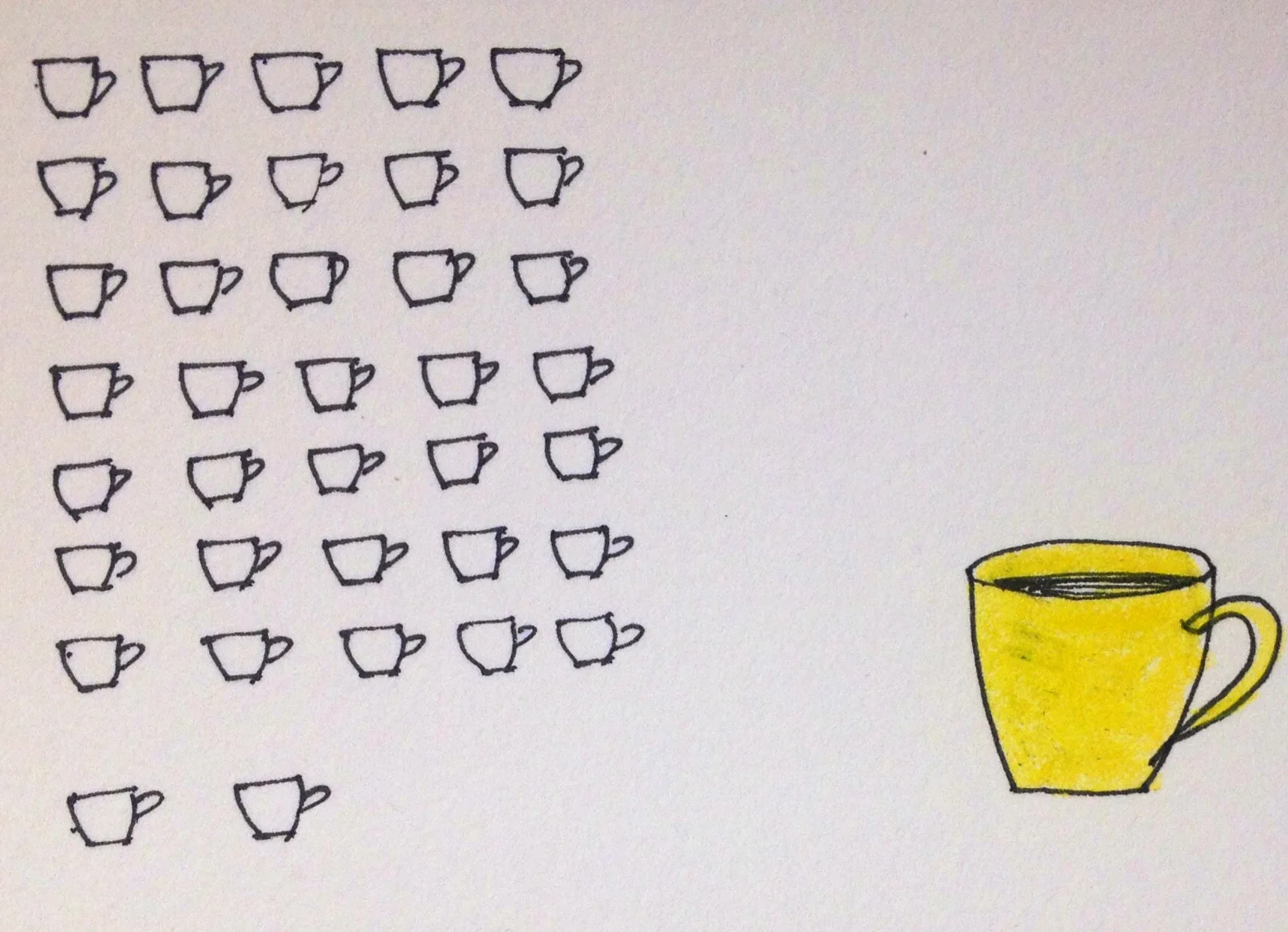
Cut to 6 of us huddled around the coffee machine at the Intelligentsia shop in Venice, CA, listening to Charles Babinski talk about coffee making — the key flavors (sweet, sour, bitter, salty, savory aka umami), the equipment, and how to evaluate espressos for brightness, aroma, body, flavor and crema. It took some practice to pick up the different flavor nuances as we tasted the many, many cups of espresso Charles made.
Next it was our turn. I stepped up to the gleaming, enormous La Marzocco machine and started pulling espressos. Shot after shot, with minor adjustments between shots. Did I tamp the coffee evenly? Is this one under-extracted? Does it taste too bitter?
37 shots later, there were 2 cups that tasted fine and only 1 that was truly delicious.
Lessons Learned
Coffee is the new wine. In fact, coffee has more aromatic and flavor compounds than wine, an estimated 1500 vs 200 in wine.
Pulling a good shot of espresso takes training. And practice. And then some more practice...
Most good things, including good design, take practice.
02 / Trans-architecture
I was visiting UCLA when I walked into a talk by Marcos Novak. That's when I first heard about the Situationists and Transarchitecture.
I was planning to study urban design, driven by a vision of shaping how people experience public spaces.
Until I met Marcos Novak. He got me thinking about a new kind of 'liquid' architecture, cut loose from traditional logic and laws of gravity. Where spatial configurations exist at the intersection of virtual and physical, and mutate in response to people and events. He was the man who helped me 'see' Minority Report years before it was built.
Graduate school was where I learnt how to code (though I don't make a very good coder/ the best technologists I know have more patience!). I learnt how to think in terms of liquid architecture (virtual spaces generated algorithmically); write algorithms to create interactive spaces in dialog with the audience (music that plays based on where and how many people are in a room); build virtual worlds (first UCLA Campus VR map; 3D spaces inspired by paintings).
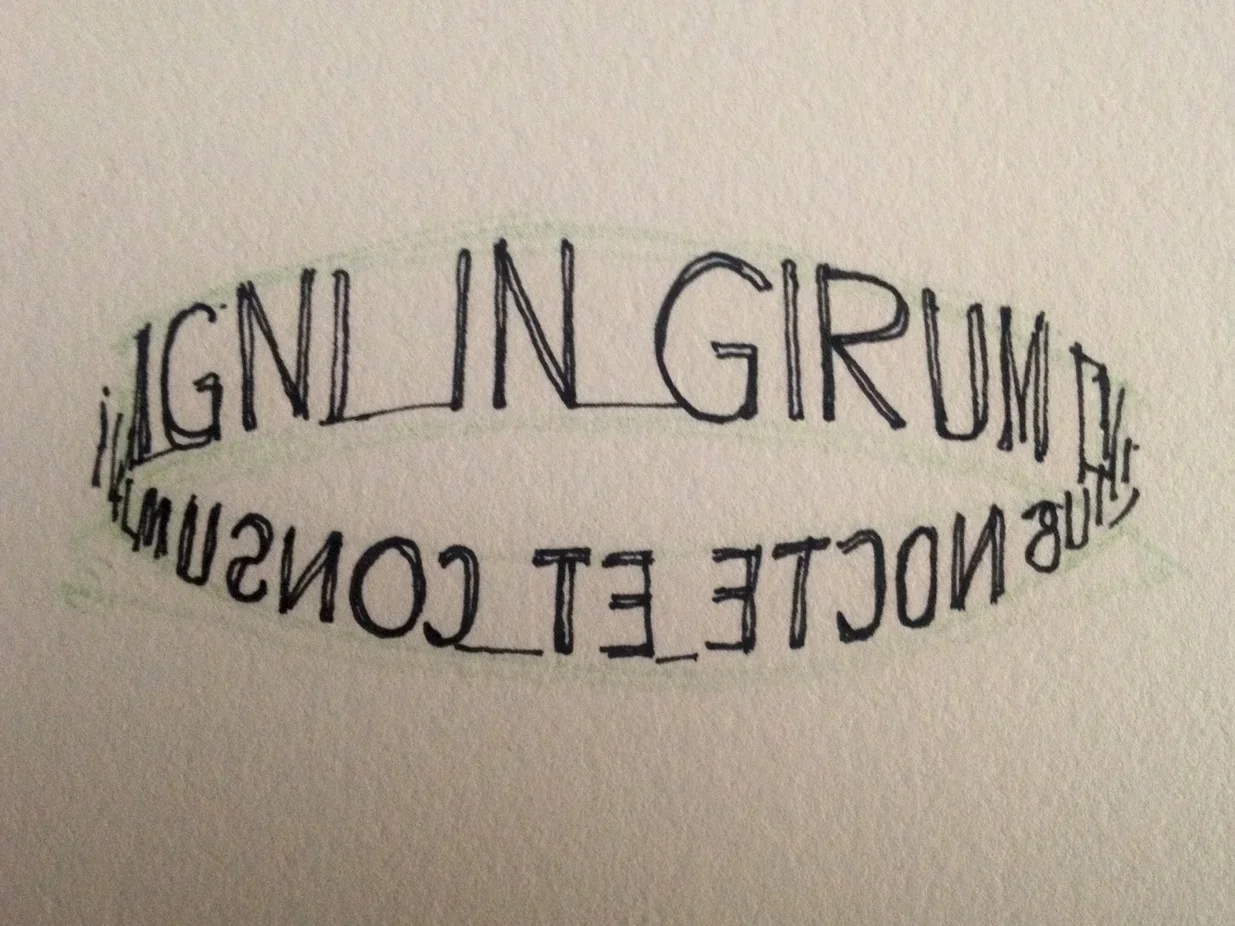
Inspired by the Situationists, I build a Virtual World with the words from the Latin palindrome In girum imus nocte et consumimur igni ('we turn in the night and are consumed by fire') which was featured at the Getty Museum.
Lessons Learned
I wrote an algorithm that played music depending on where you stood in a room. Years later, I saw the same idea built into a New York subway staircase. Play. You never know what comes out of it.
Everything you learn connects eventually — you just can't see how from the inside. Follow your curiosity. Not a plan. Not a five year roadmap. The curiosity.
03 / World-gazing
A good cup of coffee. Chocolate cake. Daily Life. People. Food. Conversations. Travel. Simple things inspire me.
"The real voyage of discovery consists not in seeking new landscapes but in having new eyes." — Marcel Proust
My first avocado. Uni. Spanish chocolate. Churros.
What else have I never eaten before? Let's go exploring.
The man I sat next to in Pompidou Cafe, who later sent me his recipe for clementine cake.
Talking to strangers builds bridges where none existed. And, you never know when you'll find your next favorite recipe.
A conversation with a monk about 'where is home'.
Sometimes strangers can show you your path. And the next TED talk worth watching.